
The Deadline Report – Ben Vidgen Investigates.
Ben Vidgen InvestigatesJournalist author Ben Vidgen presents a 30 minute show offering quality alternative media backed by quality documented information on the issues not hitting the headlines, but that should be. A double shot of reality, always educational if never pretty.
The Deadline Report airs on Sundays at 1:00pm & replays Friday nights at 7.00pm
The Deadline Report Feb 03 2025 ep 153 CSI L.A: A short history of the Pentagon’s ‘Wonderland’ Mass Mind Control Program.
The Deadline Report Jan 26 2025 ep 152 On The Road.
The Deadline Report – Jan 19 2025 ep151 – LA Fires Land Grab.

The Deadline Report – Jan 12 2025 ep150 – NY Shooter is No Hero
Jan 05 2024 Episode 149 US Invasion of Iran. Dec 29, 2024, Episode 148 Once Upon A Hijacked Flag Episode 147 dec 22 2024 Xmas Special Episode 146
December 25 2024 Guns For Butter Reporting from Bang Kok December 15 Episode 145 Don’t Want to Be the USA Reporting from NY USA.
December 8, 2024, Episode 144 Constitutional Pinball Wizards Reporting from Scotland Uk. December 1, 2024, Episode 143 Secret Tunnels and Tactical Nukes Reporting from Denver Airport Colorado USA. November 22, 2024, Episode 142 US Election Before+ After Reporting from Washington DC Election Night 2024.
Nov10 2024 Episode 141 Thomas Moonlight Wyoming State Capital Reporting from Wyoming USA Nov 3 224 Episode 140 The Cowboy Wars Reporting from Phoenix USA. October 202420 Epi 139 US Elections. Oct 13 Epi 138 Treaty of Waitangi Constitutional Law Oct 6 Epi 137 US Elections.
ST VIGEANS.
Moonlight was born in Forfarshire, Scotland. He was baptized on 30 September 1833 in St Vigeans, Angus, Scotland with birth record number 319/0040 0169. His family can be traced in Scotland back to the 1600s, and to Archibald Moonlight and his wife Margaret Elspet Anderson. Moonlight was one of 10 children.
Moonlight’s birth date is frequently quoted as 10 November 1833 (including on his grave marker), but his baptism records exist for 30 September 1833. Early Scottish and English record keeping relied on the church where more commonly the baptism date and not birth date was recorded. It was not until government record keeping began that formal birth dates were recorded.
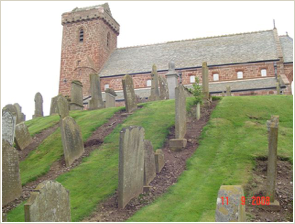
The parish of St Vigeans has, according to tradition, received its name from a reputed Saint, who is said to have lived before, or during the 12th century; for, in that century the church was built, about the time, or soon after the erection of the abbey of Aberbrothock . (The plan of the abbey and church of St. Vigeans, is said to have been drawn by the same architect, whose grave is shown to strangers in this churchyard. The above-mentioned Saint is said to have resided, for some time, about 3 miles from the place where the church stands, at a farm called Grange of Conan, where the vestiges of his chapel still remain.
Vigean origin of name as I research golf prospector George Moonlights Scottish roots and find they are tied to my own clan’s ancient past.

St Vigeans is a small village and parish in Angus, Scotland, immediately to the north of Arbroath. Originally rural, it is now more or less a suburb of the town of Arbroath where the declaration of Arbroath was signed. The document is the founding scone of modern freedom of rights. The declaration directly shaped the American Declaration of Independence, the Eureka uprising – an event which in turn saw the Southern Cross appear on both Australian and New Zealand flag in reminder of our democratic roots.

A monastery named after Saint Féchín or Féichín (died 665), aka Mo-Ecca, was a 7th-century Irish saint, chiefly who founded the monastery at Fore (Fobar), County Westmeath which hold a number of water-based legends.
The Monk Gerald of Wales related the following legend of Féchín:
Chapter LII Of the mill which no women enter “there is a mill at Foure, in Meath, which St. Fechin made most miraculously with his own hands, in the side of a certain rock. No women are allowed to enter either this mill or the church of the saint; and the mill is held in as much reverence by the natives as any of the churches dedicated to the saint. It happened that when Hugh de Lacy was leading his troops through this place, an archer dragged a girl into the mill and there violated her. Sudden punishment overtook him; for being struck with infernal fire in the offending parts, it spread throughout his whole body, and he died the same night”.
According to the Annals of the Four Masters, Féchín died on 14 February in the year 664 [665], after a plague struck the island at the time. His feast-day is celebrated in Ireland on the 20th of January.

Another story about Féchín and the plague is found both in the Latin Life of Saint Gerald of Mayo and in the notes to the hymn Sén Dé (by Colmán of the moccu Clúasaig) in the Liber Hymnorum. It tells how high-kings Diarmait mac Áedo Sláine and Blathmac mac Áedo Sláine appealed to Féchín and other churchmen, asked them ‘to inflict a terrible plague on the lower classes of society and so as decrease their number’ (or to simply not aid the already sick?).
But hell, that wouldn’t happen today, would it?
Féchín was one of the churchmen to answer the request (to not aid the poor) and he perished in the event, whereas follow clergy man Gerald kept aloof and survived. The translation of the myth seems a bit hinky to say the less and you get the feeling somehow that round pegs are being smashed into square holes in the retelling as it does not clear who helping the peasants and whose do the smiting.
One of Féchín’s fellow victims(?) in the plague of 665 is said to have been St Rónán mac Beraig (son of Berach), founder of Dromiskin Monastery: Druim Inesclainn, whose relics were enshrined in 801. The Uí Chrítáin, a clerical dynasty who claimed collateral descent from Lóegaire, ruled his house between the mid-9th century and 978, and asserted that their eponymous ancestor Crítán was Rónán’s grandfather. The Uí Chrítáin also claimed another five saints as descendants of their line, notably St Columba the Warrior monk who defeated the Wizard Kings of Iona (after which the girls school established by the Gilden Dawn Cult in New Zealand is named). In doing so Columba and his warrior poets (aka assassins) kicked off the Holy Roman Empire conquest of Scotland and the arrival of Christianity to the UK
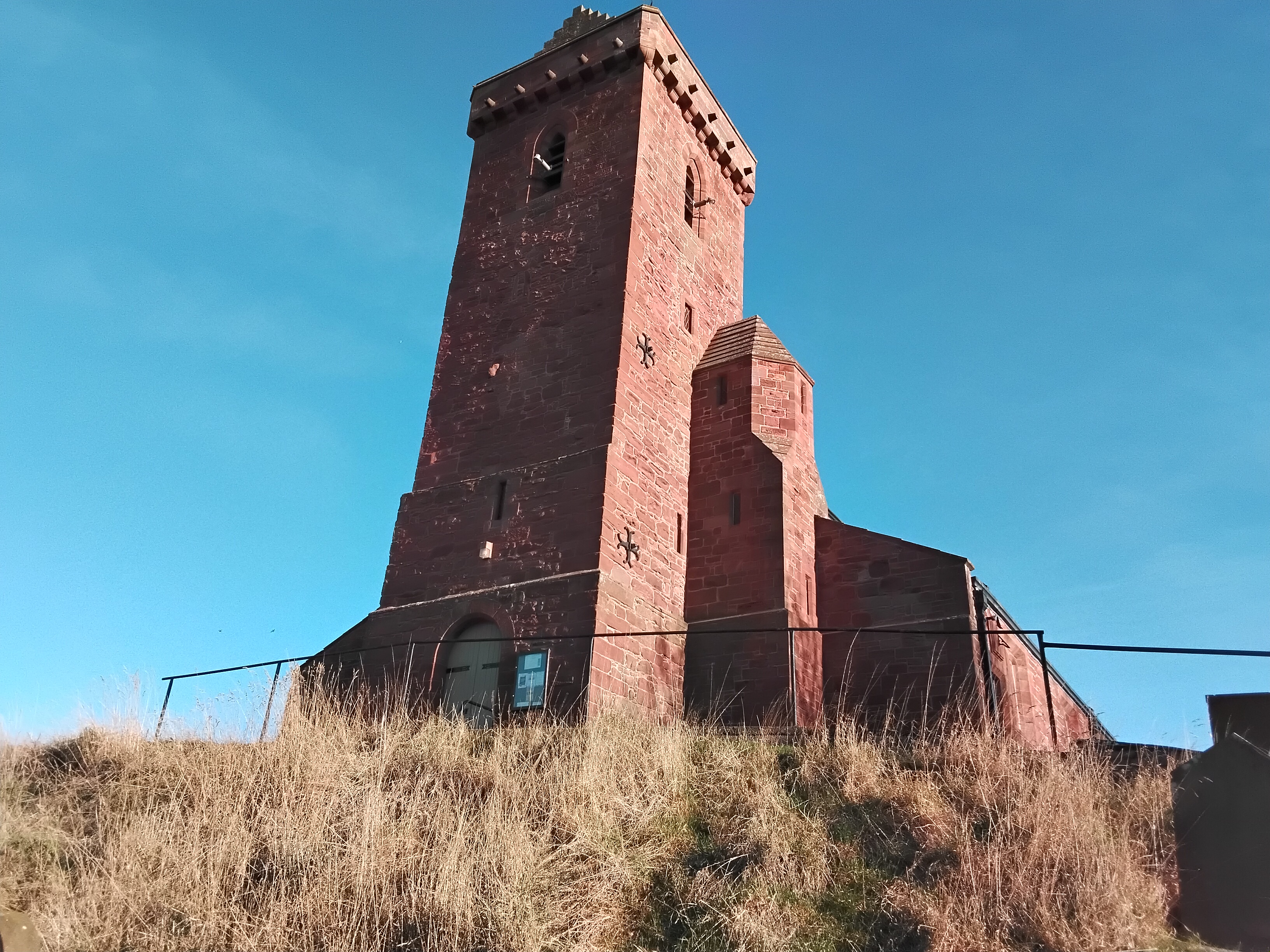
St Vigeans Church, which has to date being built at least three time, is located on the site of existing pic places of worship, served as parish church to the inhabitants of Arbroath up to the Reformation.
Built of the local red sandstone, it was a large and impressive example of a Scottish medieval parish kirk. Its situation on top of a prominent, steep-sided mound (presumably of glacial origin, though doubtless ‘improved’ by landscaping) which is striking but soon gets one winded as you walk up and down the frozen but still boggy hillside.
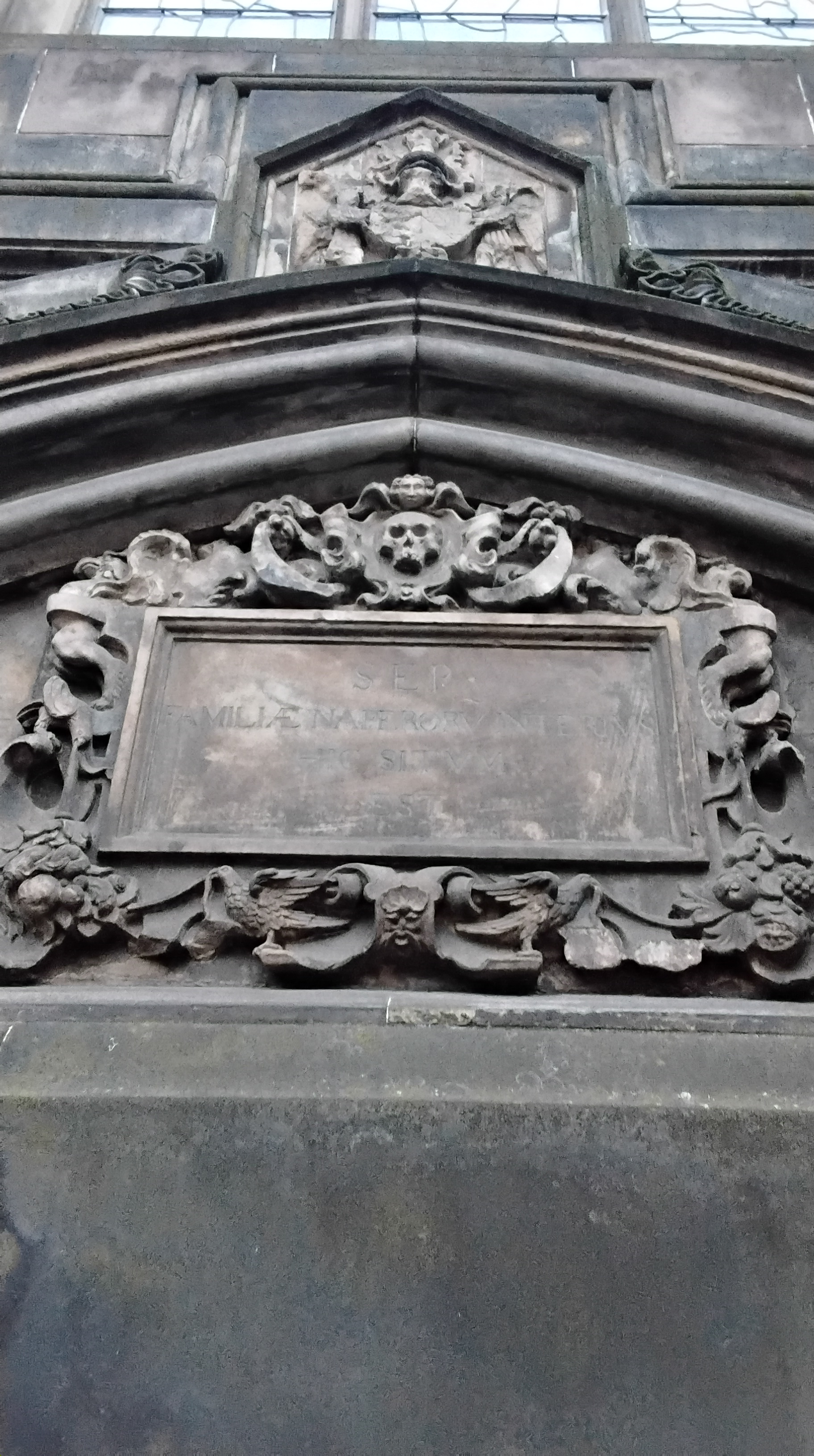
Dating in part from the 12th century, but largely 15th century in date, the church unfortunately underwent a drastic ‘restoration’ in the late 19th century which, while it uncovered many Pictish fragments, also replaced most of the original architectural features of the church.
The 18th-century headstones in the kirkyard (church yard) contain Pict symbols in addition to the gravestones belonging to crusaders and master Free masons of the 14th century. Which like the nearby Roslyn and Gill Cathedral in Edinburgh pose a bit of mystery as officially Masonry did not come to England until the 18th century.

There is a legend that the kirk (a church) was built with stones used by an enslaved Kelpie, and for several years the local congregation would not enter the kirk during certain services for fear the building would collapse due to the Kelpie’s curse.
This in line with custom that churches first stone where always laid by an enslaved pagan. On site the local caretaker explained there was more rational reason in that certain services fell out of favour during the rise of Presbyterianism and only gained Favour following the Oxford movement which saw the return of many catholic ritual previously deemed to pagan.

Again the initial myth does hints at the Vidgen myth I was told growing up concerning our ties to King Arthur which in fact proved more truthful than I first imagined (and in aligned with John Steinbeck account of Arthur The Acts of King Arthur the retelling of the Winchester manuscript as written by the thief rapist kidnapper and attempted murder Sir Thomas Malory of Warwickshire(surely a reliable source then). A kelpie is a or water spirit (Scottish Gaelic: Each-Uisge), is a shape-shifting spirit inhabiting lochs in Irish and Scottish folklore. It is usually described as a horse-like creature, able to adopt human form.
Some accounts state that the kelpie retains its hooves when appearing as a human, leading to its association with the Christian idea of Satan as alluded to by Robert Burns in his 1786 poem “Address to the Devil”. Or more likely this is the new gods wanting to demonize the old gods. The origins of the kelpie are believed to be rooted in human sacrifices to prevent plagues floods and foul weather to the water gods.

However, this concept eventually died out as church building meant the need for large labor forces and the story of the kelpie was then used to keep children from playing too near to lochs and dangerous rivers. It also encouraged women to be wary of good-looking strangers. Not unlike Taniwha myth of Aotearoa. In ancient Roman mythology, Salacia (/səˈleɪʃə/ sə-LAY-shə, Latin: [saˈɫaːkia]) was the female divinity of the sea, worshipped as the goddess of salt water who presided over the depths of the ocean. Neptune was her consol.
Post Roman Britton and following 18 century romanticising of English folklore you have Morgan le Fay, LadybVivan fairy enchantress of Arthurian legend and romance and tied to the myth of Lyoness. Geoffrey of Monmouth’s Vita Merlini (c. 1150) named Morgan as the ruler of Avalon, a marvelous underwater island where King Arthur was to be healed of his wounds, and it described morgan as skilled in the arts of healing and of changing shape. AKA Lady of the lake VIVAN. Monmouth and his fellow contemporary and fellow fictional writers like Thomas Malroy did not create out right fiction but rather they translated and tweaked (like Tolkien did with Lord of the Rings) earlier Celtic roman Gaelic myths.
The ‘real’ morgan rather than being an evil enchantress of christian souls, as the 18 century romance myth have it, was healer who came over seas and was linked to Roman Galic deitiea and myths. So much like the female village healer of pre-Norman Britan Celtic era they became the evil witches in narrative of a church keen to many hands need to build it churches and fight it wars and not so keen on the idea that woman might practice birth control and shift the balance of power.
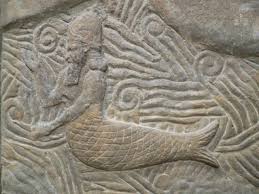
The Morgan Vivan myth has her being impregnated by king Arthur’s dad and instead of him being drowned letting the child (Arthur) float away. A story line which academics like Robert Graves author of the White Goddess would argue goes back to Sumerian saga of Gilgamesh times and is simply rehashed as new empires replace the old.
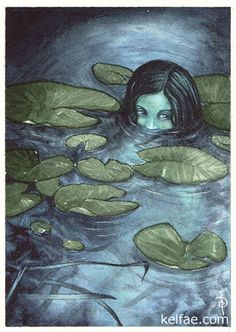
Britain water fairies were called mari morgan a name that a variant of Modron or Matrona.
Both Matrona and Maponos were worshiped in the area around Hadrian’s Wall (Roman invasion of England part one), which may account for the prominence of Modron and Mabon in literature connected to the Brittonic Hen Ogledd (Old North) of Britain. Certain elements of Modron’s story – specifically that her son Mabon was stolen from her in the night as a baby – suggest a connection with the Welsh Myth Rhiannon (Meaning: Great queen; Goddess. The title stems from the mythological name Rigantona, meaning “great queen,” borne by a Celtic goddess of fertility who later framed for drowing her son – instead she let him live) in the first branch of the Mabinogi, whose son Pryderi was similarly stolen. William John Gruffydd suggested that Modron and Rhiannon were the same in origin.
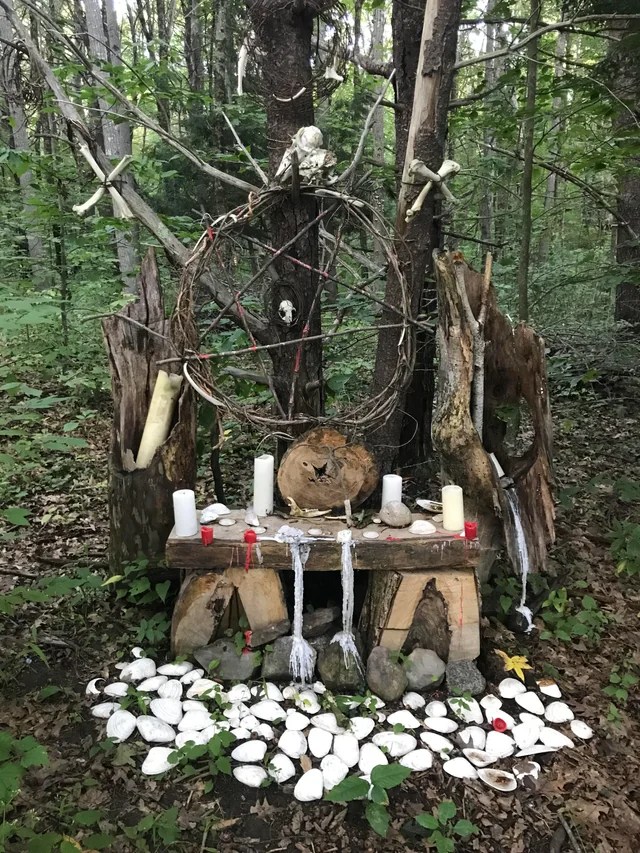
Earlier version of the great queen includes Atea a Roman Gaul deity. Today in St Vigeans there are found to be “not so ancient, mysterious bark-carved symbols hiding in the woods” as old myth become new age folklore of wannabe wiccans.
Online Vidgen is often cited as being Cornish and in Kent where James Vidgen held the rank of Postmaster General before immigrating to Australia and later establishing Sommerset House at Cape York Vidgen began life as Videan and the origin of variants of Fidgeon or Vivian Vigean.
Family bedtime stories from older sibling claimed Vidgen was tied up with the “House of Vivan”. This comes at a time when said sibling was reading a lot of Mary Stewart (another bloodline realative) and Steinbeck take on Arthur which has the evil Fay trapping Merlin, the in his cave of Crystal. In this version Stewart list Merlin as the bastard son of a roman general who mated with a goddess and the baby I vaguely recall is allowed to float off instead of being murdered as was the decree of the goddess unhappy god husband. All of the above a metaphor for a pretender (born to low cast woman but of royal descent) to a throne*
* Back when a grove of tree and three huts could be a ‘kingdom’

Vyvians of Truro are derived by some genealogists as the direct descendants of one Vivianus Annius, a Roman general, son in law to Domitius Corbulo. In 63, Vinicianus served as legatus legion is in the Legion V Macedonica in the province of Armenia, under his father-in-law Gnaeus Domitius Corbulo. In this period, he and Corbulo fought as soldiers in the Roman–Parthian War of 58–63 AD. The general is best known from a failed plot to overthrow the batshit crazy tyrant Nero.
Vinicianus in fact came from a long line of conspirators against the line of Caesars. His dad being one of the men involved in the assassination of Caligula the Roman emperor known for his fondest for orgies, brutal gladiatorial matches and incest. Papa Vincianus also got himself involved in a later in a rebellion against Claudius. His brother was Annius Pollio, who was involved in the Pisonian conspiracy in 65AD. In 66AD it was Vinicianus that plotted against Nero, but the conspiracy failed. Vinicianus refused to speak nor prove his innocence to the emperor and killed himself in 67AD .
Corbulo would also be forced to die by suicide having pissed Nutty Nero off. To which Corbulo who bears an uncanny family resemblance to several members of my family “Axios”, meaning “I am worthy”, fell on his own sword. Centuries later, a descendant of this Roman general served as a knight in King Arthur’s court according to the “translated” legends. (Quar. Rev. c. 11, p. 304.). Possibly a recruit from Frisii an ancient tribe, which lived in the low-lying region between the Rhine–Meuse–Scheldt delta and the River Ems, sharing some cultural and linguistic elements with the neighboring Celts.
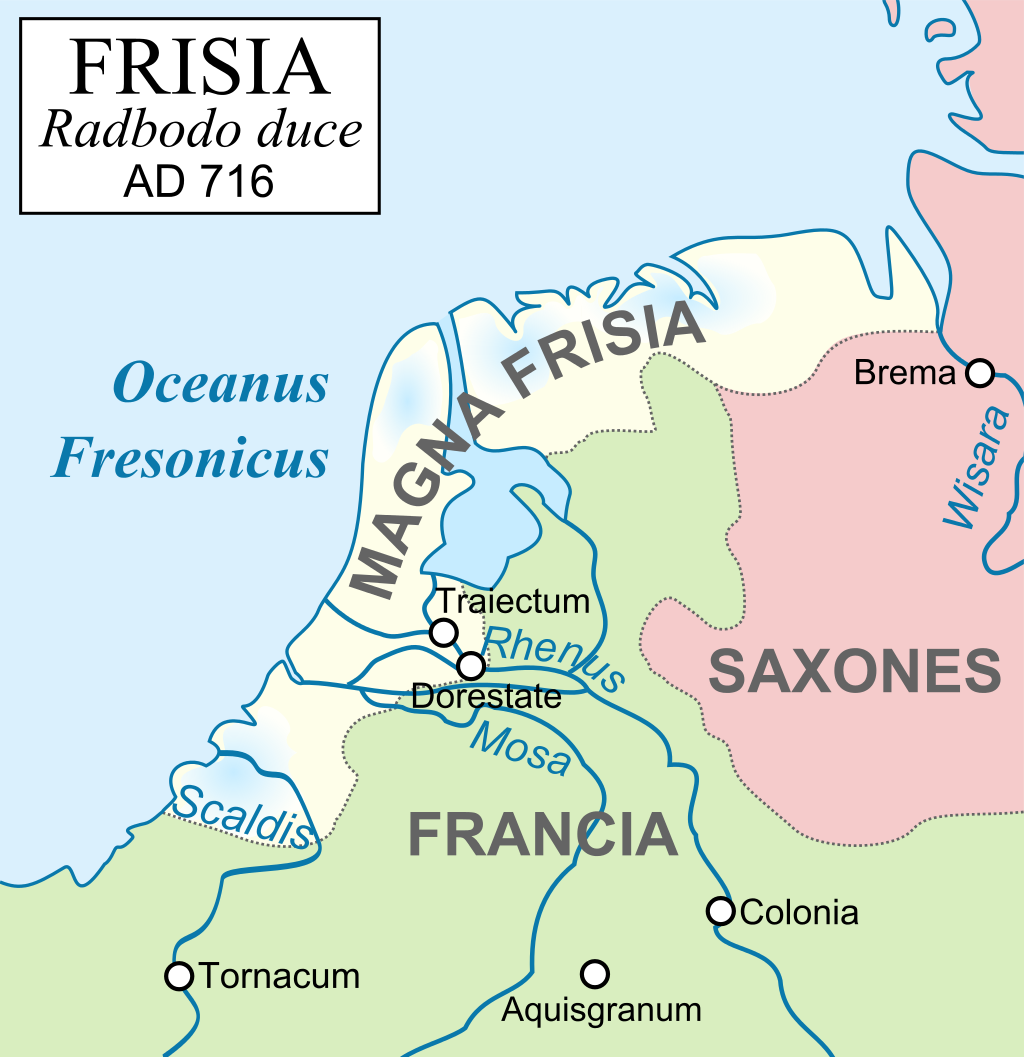
During the 1st century BC, Romans took control of the Rhine delta but Frisii to the north of the river managed to maintain some level of independence as favored mercenaries and commanders of Roman legions. Around 250 AD the region was subject to sever flooding and the majority of its low land people died or migrated.
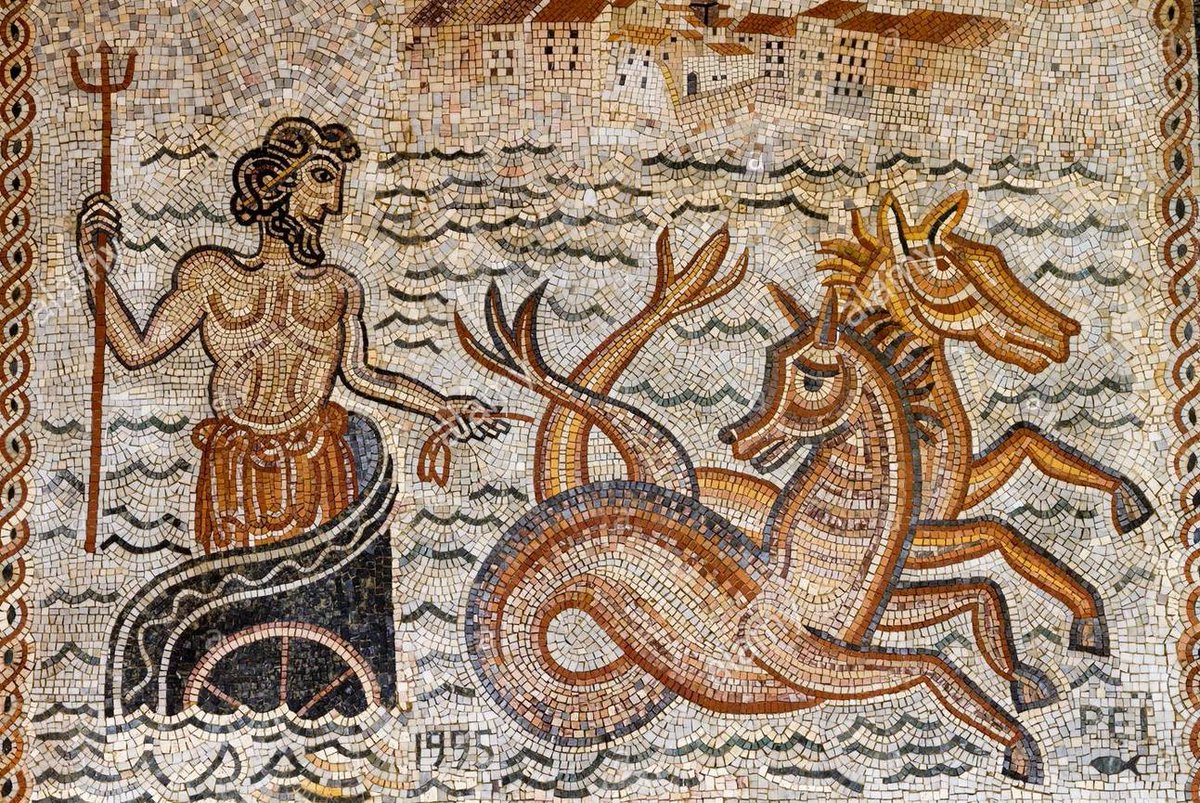
Others scholars attribute the name to be from Cornish Vyvyan means to flee, escape or “to fly,” says. Specifically, these academic refer to Trevelyan Vyvian, who myth has escaped on a flying white horse from Lyonesse – a replica of the tale of the Poseidon chariot – when it was flooded.
Heraldry depicts a horse head on a mermaid. An icon which later has DeJa’Vu implication for my Sommerset Cape York relatives and their Torres Islanders neighbors whose logo of two mermen holding the Eastern Star. When visiting my guide Tommy Savage noted the symbol used by Torres Islanders was sun spiral identical to that used by Innuit in Alaska where Tommy ancestor walked across a land bridge 80,000 years ago the spiral replicate that found in Sumerian associated with the story of Gilgamesh flood which likewise include a half man half fish creatures holding up a Star. A time when there likewise was land bridge between England Europe.
Trevelyan Vyvian according to legend was then governor of Lyonesse, which is also the scene of Arthurs last battle but mixed up with location in Europe by 18 century writers. The Vyvyan word is also attributed from vy-vtariy meaning the small water. Lyonesse (/liːɒˈnɛs/ lee-uh-NESS) was a kingdom which, according to legend, consisted of a long strand of land stretching from Land’s End at the southwestern tip of Cornwall, England, to what is now the Isles of Scilly in the Celtic Sea portion of the Atlantic Ocean.

Lyoness was considered lost after being swallowed by the ocean in a single night. The people of Lyonesse were said to live in fair towns, with over 140 churches, and work in fertile, low-lying plains. Lyonesse’s most significant attraction was a castle-like cathedral, that was presumably built on top of what is now the Seven Stones Reef between Land’s End and the Isles of Scilly, some 18 miles (29 km) west of Land’s End and 8 miles (13 km) north-east of the Isles of Scilly.
The confusion of the location of Lyonesse/ Lethowstow, as the antiquarian, William Camden records, seems to exists because Cornish people during the 16th century referred to the Seven Stones reef off Land’s End as the City of Lions, the reputed site of the capital of the legendary kingdom, confused with the Breton town Leonais, probably the region around the coastal town of Saint-Pol-de-Léon, and this form is the probable source of Malory’s Lionnesse. The Seven Stone rocks are held to be the remains of the city where local fishermen have dragged up domestic items in their nets, still calling the Seven Sisters the ‘The Town.’ Today this reef remains a navigational hazard for shipping and has caused as many as 200 shipwrecks.

What’s true? What’s not? For all we know the entire story began simply by the fact the monks as roman knew how to put up a spout and control water which in the eye of the local must of have seen like channeling water spirits and basically my original ancestor where glorified plumbers. The them is they came from Rome had some kind of aristocratic background, where involved in the conquest of Britain and their story whatever the origins is linked to water and possibly a tale that true origin has been lost to antiquity but hints at a great flood which has shaped the mythology of many migrating tribes who came out of Mesopotamia at some point and Africa before that. In an essence Timmy right when he calls the Vidgen his little brother an honor I humbly accepted as a great compliment.
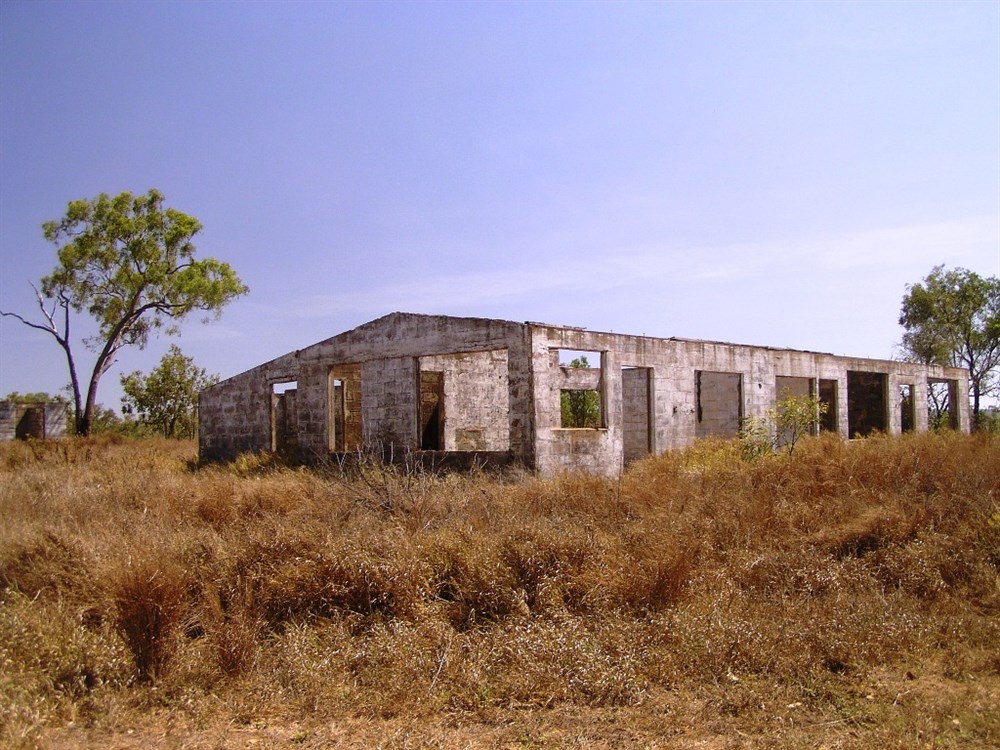
And the Scottish Australian Vidgen link continues. Also located in the Northern territory Vidgeon Station ruins are the most recent of three built on the site since 1888.
The first was destroyed by floods, the second by white ants and fire and this one, built in 1960, by a cyclone. One could be forgiven as seeing that as sign from God don’t build their dumbass. The homestead ruins of St Vidgeon station is Lonmareium lagoon fed by the flood waters of the Roper River. It comes with a warning to keep well away from the water’s edge as there are saltwater crocs in there. But travel blogs also praise it for having “heaps of bird life too Lagoon”. Londinium, translate as Roman London (New Rome), the capital of Roman Britain. So, I’m guessing that a derivative of Sea of New Rome.

The Heraldry of City of Rome is a Templers Cross incidentally which i only mention in relates to the photos my relative sent me of one of the Cape York Vidgen who happens to be a Knight Templer. Or what the Freemason call a son among sons allegedly a descendent (reincarnated [cough]or by blood) of Vitus Caesar Vespasianus 30 December 39 – 13 September AD 81) a Roman Emperor from 79 to 81 and a member of the Flavian Dynasty. Frankly that sound like a load of Kelpie manure but hey it’s their myth and according to our ancestry not hard to see how we in fact would qualify.
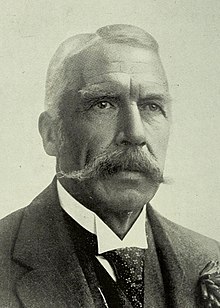
Not only was Stirling committed to the political rights of women, but he also believed in their right to a proper education. He lectured at the Advanced School for Girls, and also campaigned for women to be admitted to Adelaide University’s School of Medicine. His own five daughters benefited from an excellent education, and Harriet (1878–1943) went on to earn an OBE for her work with mothers and children, and Jane (1881–1966) earned a Bachelor of Science degree from Adelaide University and later played viola in the South Australian Orchestra.
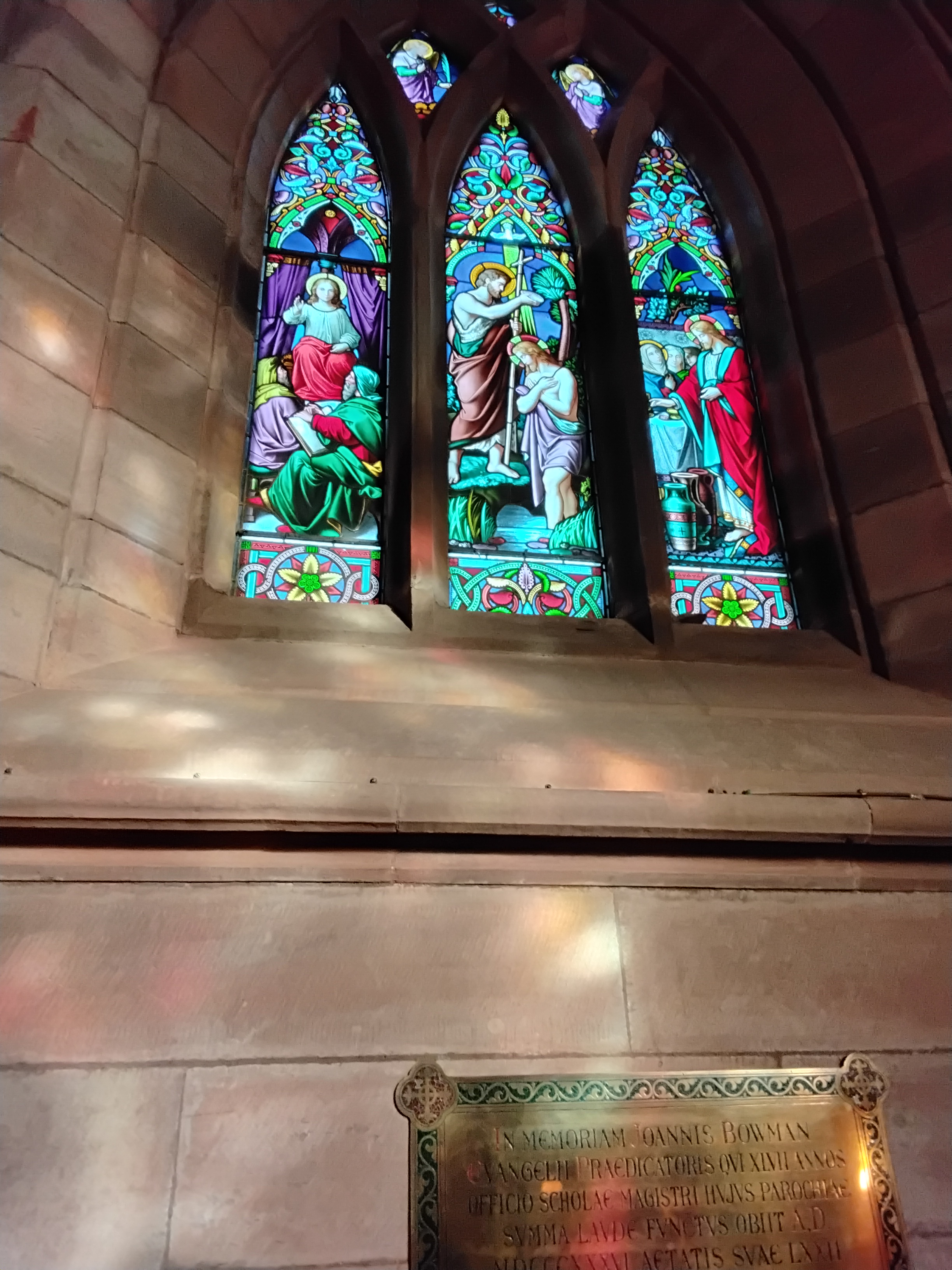
Bythorne House was built in 1889s for Scottish whiskey distiller in the region of Stirling its gardens where named ‘St Vigean’s. I am still unpacking their exact history. It is sufficient to say that any doubt I had that this, was just a coincidence was removed when I found a stain glass window at St Vigean Scotland donated by the founder of the garden built upon a naturally occurring aquifer.
St Vigeans it emerged was originally built in the early 1880s by Dr Edward Charles Stirling who named the property after the Scottish town where his father had gone to school. His father Archibald was the illegitimate child of a Scottish planter in Jamaica and an unknown woman of color.
The 6.5 acre property soon became known for the beauty of its gardens which the South Australian Register [22 Nov 1899] described as ‘a little paradise of beauty drawn from Nature’s sweetest resources’. Stirling employed full and part time gardeners to tend the property, however, as the Register noted, the garden greatly benefited from the ‘affectionate regard of its owner, with his vast field of scientific knowledge.’ As a fellow of the Royal Horticultural Society of London Stirling had access to many species of plants and a major feature of the gardens were South Australia’s first rhododendrons, including several new varieties developed on site, one of which was named Mrs E C Stirling, after his wife.
After Stirling’s death in 1919 the family continued to live at St Vigeans until its sale in 1936.
SPOOKY DOWN UNDER
Have you heard of H. P. Lovecraft, the famous American horror writer?
Disclaimer: Lovecraft was, even by colonial
standards, an outright racist. We don’t condone his
actions but regardless his view of Dunedin illustrates
how those in the 18th Century saw New Zealand in an
time where Darwinism, Christanity and pseudo-science
were common. To forget history – good or bad – is to
risk repeating its worst demons.

Did you know that one of Lovecraft’s
most famous stories – The Call of Cthulhu (1926) starts off in Dunedin (or more likely, Port Chalmers) when a ship called ‘The Alert’ is towed into port with one dead man on it
and another who has gone mad after seeing something terrible on an uncharted island to
the north?
An expedition is launched from here to discover the truth, and I won’t spoil it
for you by telling you what happens. This story led to a whole series of other
tales by Lovecraft and others about the old gods (including Cthulhu) trying to make a
comeback here on earth!
The Alert is a heavily armored steam yacht manned by “a queer and
evil-looking crew of Kanakas and half-castes”, in addition to being members of the Cthulhu
cult. The crew of The Alert was slain in retaliation for attacking the schooner Emma,
and upon being discovered by the Vigilant, the Alert was towed to Sydney, Australia where it
was sold for commercial use.
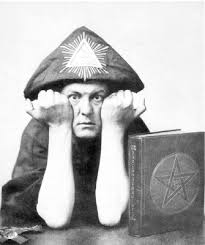
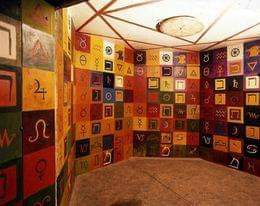
Another weird Cthulhu Dunedin occult link is Iona Church Port Chalmers (check out its highly esoteric glass windows and ‘Devil’s Pentagram’), which is a nod to Whare Ra the New Zealand branch of the Golden Dawn – a wiccan cult linked to occultist Alister Crowley who used to communicate with Lovecraft regularly sending messages to each other in code.
It is believed many of Robert Burns’
poems contain the same code.

Iona Church, Port Chalmers.
The Golden Dawn cult was established
down under in the early 1900’s by prominent
landowners who went on to found Iona Girls
College in Havelock North. Founded originally
as a means for the cult to groom young ladies
that would appeal as future wives for powerful
families, so as to extend their reach. Its old
girls’ network includes the sister of former
Wellington mayor Michael Fowler and former
Christchurch mayor Bob Parker’s wife, esoteric
researcher Dame Joanna Nicholls-Parker. Officially Whare Ra died out in the 1970s,
unofficially …

This windowless room, painted with mystical symbols,
is part of a Whare Ra temple in Havelock North.
(Source: Te Ara, The Encyclopedia of New Zealand)
In its heyday the Aotearoa branch of the
wiccan cult had as its members a brigadier
general (Andrew Hamilton), a governor
general, numerous politicians and four
Presbyterian archbishops. The photo to the right
is of a replica of the temple built under their
headquarters designed by top architect firm
Chapman Taylor.

On the exterior the house (which comes complete with secret passages)
has the sign of the master mason on its side, a symbol also shared by the Dunedin High
Street homes of the founder of New Zealand’s construction giant Fletchers, who built
the secret WWII tunnels of Craft Croft in Cashmere Hills.

A replica of Churchill’s
war time London command bunker – that via underground stairwells linked several
mansions located around the Sign of the Takahe which are festooned with masonic and
occult esoteric – Christchurch’s own WWII war time tunnel complex extending along the
Avon River Red Zone and across the hills into neighboring Lyttleton and the Godley Heads
gunnery tunnel complex built circa-WWI.

These tunnels even appeared on the city’s early heraldry before the sergeants were turned from gargoyles into takahe.
Then there was Māori Lodge No.5. Ravens- bourne (a term used to describe the boundary between several sets of parishes or running water), whose member Henry Sydney Bingham
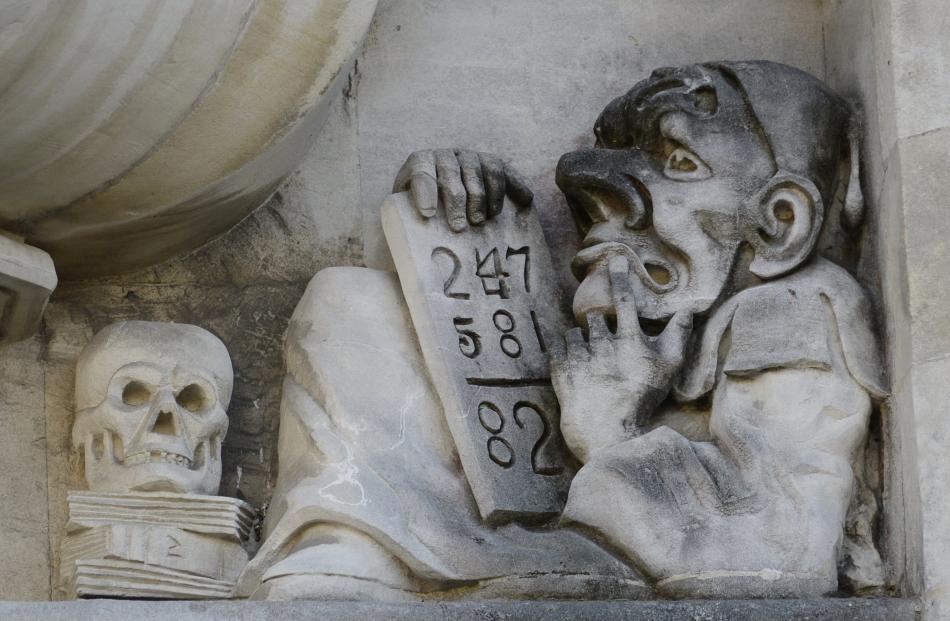
of Fletchers who is believed to have carved the Otago University follies above the archway (which was once the formal entrance to the University and originally the School of Mining) which depict not just the chief alumni of Otago including Geology, Dentistry (a nod to medicine alchemist roots), Commerce and Law, but to masonic ritual such as the chambers of reflection.


In 1932 the governor-general, Lord Bledisloe, opened Lodge N05. and became
the Most Worshipful Grand Master of the New Zealand Masonic Lodge. Henry Sydney
Bingham likewise built the marble stairs in the
Otago Museum and Regent Theatre.
Another Ghoulish Dunedin case with
tones of H. P. Lovecraft occurred back in
January 1972, when art curator Peter Entwisle
as a 23-year-old student was charged in the
Dunedin Magistrates’ Court with improperly
interfering with human remains, to be specific the skull of William Larnach the creator of Larnach Castle.

According to reports in both the Otago
Daily Times and the Evening Star, Entwistle was not represented by a lawyer, pleaded guilty, was convicted and remanded for a probation report and sentencing. The police, acting on information received, had found a
skull in his flat. Entwisle said it “was readily identifiable as Larnach’s by the gunshot wounds and it had been given to him about a year earlier by a friend, whom he declined to name”. As a graduate anthropology student he had an academic interest in skulls, he said then.

However, what is not widely known is that
the case was dismissed on January 31. Entwisle
was then represented by Ron Gilbert and
changed his plea to not guilty. According to
reports in the Otago Daily Times, magistrate
Mr J. D. Murray said a corpse, or human
remains was not something that could be
stolen so Entwisle could not be charged with
receiving. As for Entwisle “Although he had kept the
remains, occasionally polishing them and showing them to friends, he had not mutilated
them, so there was no improper interference”.
The rest of Larnarch’s body might have felt otherwise. The concreting over of the crypt
in 1973 stopped further interference with the coffins but certainly did not stop vandalism to
the building itself. The original obtainer of the bones was known as “Dr Voodoo” – the child
of another of Dunedin’s prominent privileged family who went on to be high-powered
lawyer in Hong Kong.

And of course, Dunedin with Scottish Rite Masonic names including St Clair and
Ravensbourne has always had a passion for Robbie Burns, the Scottish Bard who became
immensely popular in 19th-century Scotland and then in Otago.
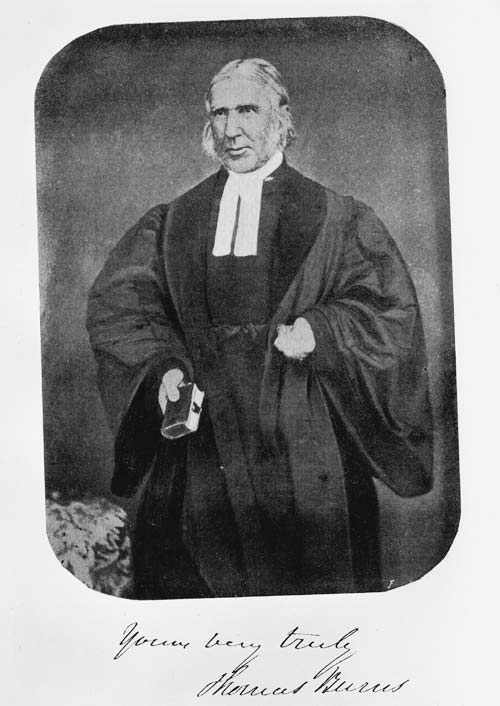
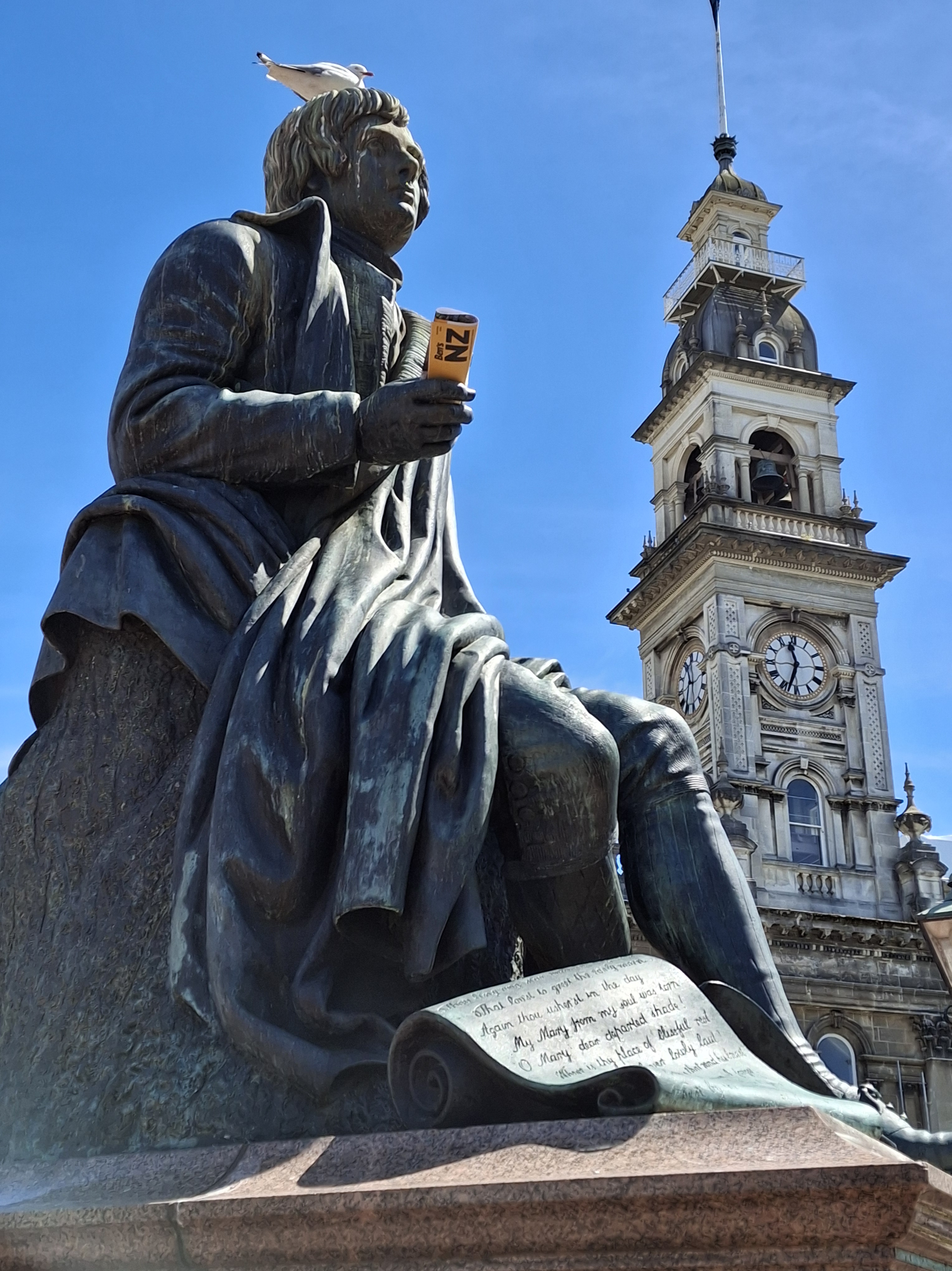
Today the Burns lecture hall at Otago University is named after the poet, while a statue of the poet, constructed in 1887, dominates the Dunedin Octagon. Burns ’uncle, Thomas Burn, was in fact Dunedin’s first spiritual leader. In 1861 Mr. Burns received the diploma of Doctor of Divinity from the University of Edinburgh.
In 1866, on the formation of the synod as the Supreme Court of the Church, rendered necessary by the increase of ministers throughout Otago and Southland, and the formation of several presbyteries, Dr. Burns presided as first moderator.
And yes, there is also a Burns–Lovecraft link Till A’ the Seas is a post-apocalyptic short story by Lovecraft and R. H. Barlow. The title is a reference to the poem A Red, Red Rose by Burns.

Burns became a Freemason after joining St David’s Lodge No. 174 in Tarbolton in
1781, the poet taking his Freemasonry very seriously, joining a total of six lodges during
his short life. By 1784 Burns was ‘Depute Master’ of St. James’ Lodge No. 178 (now No.
135), which also met in Tarbolton. He entered into the Royal Arch in 1787, became a member
of St. Andrew’s Lodge No. 179 in Dumfries, and also became poet laureate of Lodge
Canongate Kilwinning No. 2.

But if you want to sleuth out Burns’ occult connections you best to skip across the ditch to Brisbane where I found some truly Cthuluequese Burns images on the side of statue honoring Burns, and across the road a bunch of tunnels and buildings full
of cyber spooks (in this case the spooks are of the spy kind not the variety which need ghostbusters). The statue has some truly in-your-face demonic scenes.

To find the answer to what all the demons and witches on this statue have to do with Burns, focus on Burns’ poem Tam o’ Shanter. This is the story of an unfortunate ne’er-do-well who, after a rousing night at the local pub, is attracted by a clamorous din at an abandoned church. Upon investigation, Tam is transfixed by the sight of a witches’ gathering, celebrating a dark mass under the musical direction of Satan – Auld Clootie playing the bagpipes. Tam cries out in near-rapture, at the sight of a fair witch in a short shirt dancing seductively – “Weel done, Cutty Sark!” – and is then forced to flee for his life after they give chase. Fleeing for the safety of a running stream (a Ravensbourne) he manages to reach it, for faery lore tells us that spirits and the servants of evil cannot abide running water. Tam lives, though his horse’s tail is savagely ripped off by one of the chasing demons.

The Centenary Park statue is built on a host of tunnels next to a Catholic church,
plagued by sinister scandal, and harbors’ an underground fortress – today the home of
cyber spooks. The Catholic Church took great interest in the development of Centenary Place, sensing an opportunity to promote their vision of a new cathedral. They envisaged the site as the forecourt for the proposed Holy Name Cathedral, a massive Renaissance Basilica that was to occupy the block bounded by Gotha, Ann, Gipps and Wickham Streets.

She disappeared on September 16, 1977, apparently on her way to see police officers who were standing over her massage parlours.
She was wearing $100,000 worth of diamonds and carrying $6,000 cash. Just one of hundreds of Queensland Cold case connected to organized crime many bodies dumped in quarries, cemeteries, or swampland.
Although the park was designed by Henry Moore, the parks’ superintendent for Council,
the layout, which is still intact, included a central path originally designed to lead to the
proposed cathedral entrance. The cathedral in turn had its own crypts which later became
a spot for junkies and rumored to have been used as a disposal spot for victims of mob-
land murders.
The Brisbane Burns Club was a men’s only club, where movers and shakers came to
map out their vision of Australia. The ‘toast to the lasses’ was traditionally given to thank
women for the cooking and as appreciation of the women in Burns’ life. It later degenerated into a sexist (often misogynistic) rant. It is believed that many of his bawdier poems
were produced for the boozy and bawdy men’s clubs, including the Tarbolton Bachelors’
Club and Crochallan Fencibles; ‘Gentleman’s’ Club, to which Burns was introduced in
Edinburgh. These set the model for the Burn Club cult, for whom he collected and
sometimes wrote such songs as Nine Inch Will Please a Lady.
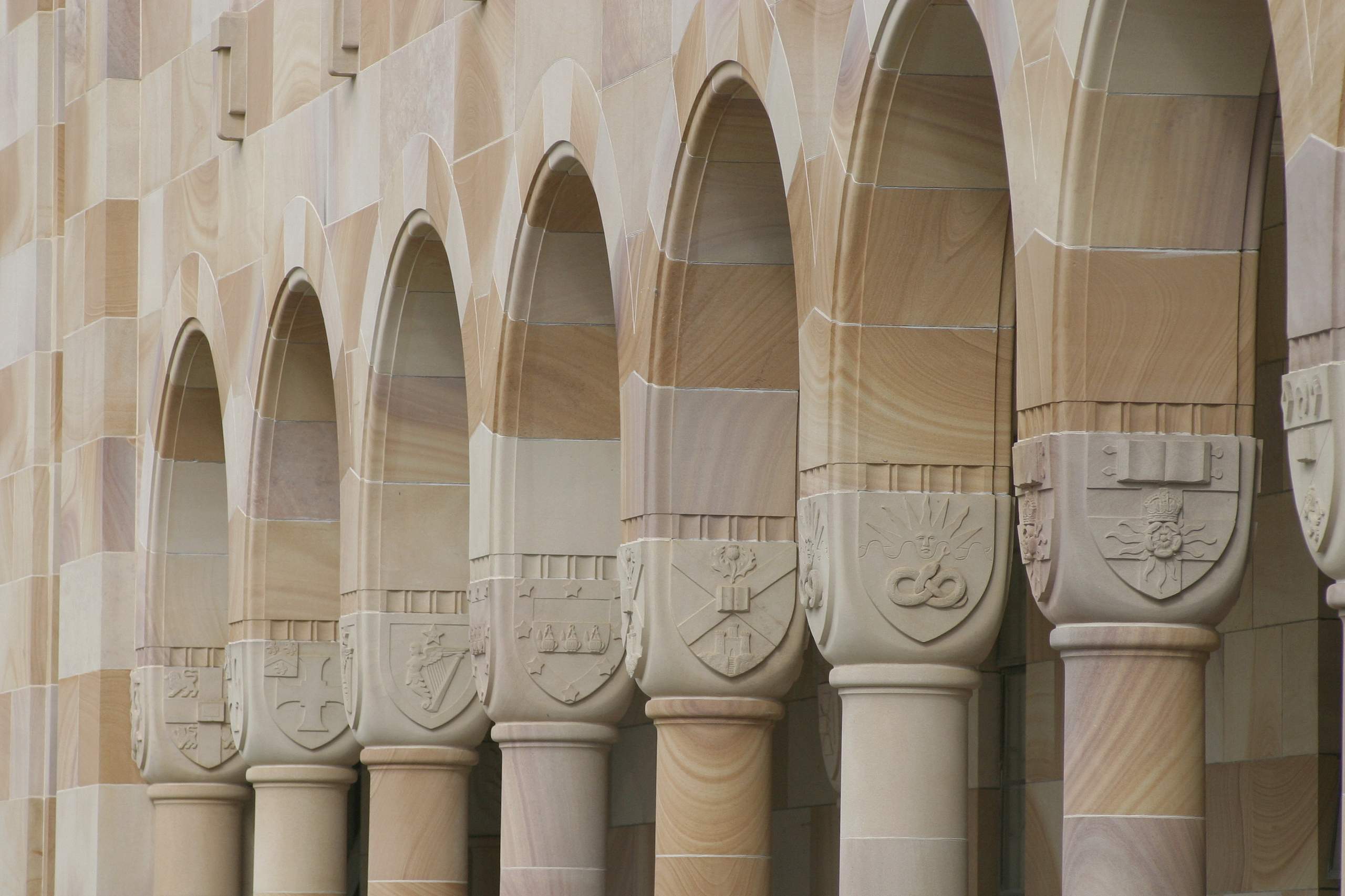
As for the tunnels I found opposite Datacom – it turns out extensive
tunnel network was built under Brisbane in secret by stone cutters (just like Craft
Croft) during WWII with the University of Queensland then used as a strategic center.
At the underground lecture theatre, you will find a plaque describing the former use of
the room.
Datacom clients today include Australian Customs, Australian Border
Force and CrimTrac, the Department of the Environment, the Australian Taxation Office,
and Airservices Australia and Australian Department of Health. Its first acquisition was
Fletcher’s Computer Bureau. In New Zealand clients include the GCSB, New Zealand’s
cyber spies.
The tunnels clearly go to… well,
who knows?!
– Ben Vidgen
LOVE CRAFT COUNTRY – Three African Americans embark on a road trip across 1950s Jim Crow America in search of their missing father. They struggle to survive and overcome terrifying supernatural monsters and the truth of Scottish Free Masonry as enabler of racism, while facing racist terrors of white America. The movie confronts head on the real monster are not those we make up in our imagination but those built upon the self-entitlement of the status quo and the institutions that back it up
 BEN VIDGEN -- The Consulting 'Oartistic' Dyslexic Detective.